
Abstract
Amiodarone, a medication commonly used for management of cardiac arrhythmias, is known for its multitude of side effects notoriously affecting thyroid gland dysfunction such as hypothyroidism and hyperthyroidism. Amiodarone induced thyrotoxicosis (AIT) types I and II has been well described. We present a case that demonstrates the development of the full
autoimmune Grave’s spectrum. A 77 year-old man with atrial fibrillation was treated with amiodarone and required consultative assistance because of development of ophthalmopathy including periorbital edema in conjunction with thyrotoxicosis. His presentation was heralded by diplopia and ptosis. Suppressed TSH, elevated T3 and T4 levels, and elevated thyroid stimulating immunoglobulin were all notable new findings in support of this clinical
development. Pretibial myxedema with classic peau d’orange was also a clinically relevant finding. Earlier consulting physicians offered antibiotic treatment for possible cellulitis and lower extremity duplex testing, which was negative for deep venous thrombosis. These features are unique from the more commonly understood AIT types 1 and 2 and may be related to the increased number of 1a-positive T-cells which have been linked to possible pathogenesis of thyrotoxicosis in autoimmune mediated Grave’s disease. There has been well documented elevation of thyroid anti-microsomal antibodies following exposure to the amiodarone molecule and subsequent reduction of levels following cessation of treatment.
The patient required methimazole, which is known to not only help to reduce endogenous thyroid function, but is also associated with immune modulating effects. It has been known to be associated with reduction of thyroid stimulating immunoglobulins as well as reduction of T-cell activation. Additional treatment included glucocorticoid treatment and use of teprotumumab.
Historically, the impact of amiodarone in creating thyroid dysfunction has been attributed to by the significant iodine component of the amiodarone molecule. This case, however, offers a different perspective in pathogenesis–one that underscores the complexity of immune responsiveness and the potential evolution of autoimmune processes even in patients with a less predictable demographic.
Biography
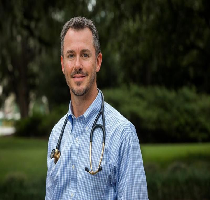
Dr Haenel has been a clinical endocrinologist with a flare for teaching for 26 years. He is originally from Philadelphia, PA and was raised and educated in the Philadelphia area until his fellowship training in Endocrinology, Diabetes, and Medical Genetics from the Medical University of South Carolina in Charleston, SC, US (1997-99). Following completion of his training, he practiced with his father in NJ for 15 years and went on to become head of endocrinology at Kennedy Hospital (currently Jefferson Health). He has been actively involved with teaching students and residents and went on to develop and head Rowan-SOM endocrinology fellowship program. Upon moving back to Charleston, SC in 2014 he has remained actively involved in clinical and educational medicine. He works at Roper/St Francis Health and is the medical director of student education VCOM-Spartanburg. He also serves as chair of AOBIM (responsible for creation and maintenance of board certification exams) and endocrinology section head. He is a frequently invited lecturer and has received numerous awards for excellence in patient care and golden apples for his teaching acumen. He lives in Charleston with his wife of 28 years, who works locally as a dentist and educator, and their three children.