
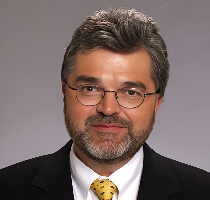
Title : Understanding Microbial Mediation of the Brain-Gut Axis
Name : Dr Emeran A Mayer
University : Goodman Luskin Microbiome Center
Country : USA
Download AbstractAbstract
Bidirectional communications between the gut and the brain play an important role in the regulation of food intake, pain perception, mood, and cognitive function. The involved communication pathways are modulated by signals generated by the gut microbiome. Alterations in these communications have been implicated in several chronic brain and gut disorders, including food addiction, mood disorders, neurodevelopmental and neurodegenerative disorders, and functional and inflammatory bowel disorders. The gut microbiome holds great promise for the development of novel therapies normalizing altered brain-gut interactions.
Keywords: Brain-gut-microbiome system; Dysbiosis; Gut microbiome.
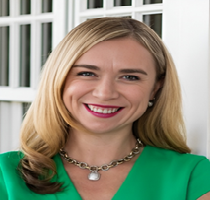
Title : Building Better Brains
Name : Whitney Austin Gray
University : International WELL Building Institute
Country : USA
Download AbstractAbstract
On average, people in industrialized countries spend approximately 90% of their lives indoors. We have become an indoor generation, yet we continue to underestimate how profoundly the environments we create shape how we think, learn, and develop.
As rates of stress, cognitive decline, and chronic disease continue to increase, discussions of brain health have focused primarily on clinical care and individual behaviors. Far less attention has been given to the role of the built environment in shaping brain health and human potential.
In this presentation, Dr. Whitney Austin Gray explores how the built environment influences the human brain. Drawing on research from neuroscience, public health, environmental health, and her work advancing the WELL Building Standard globally, she reviews evidence demonstrating how environmental factors—including indoor air quality, light, sleep, movement, access to nature, and social connection—influence cognitive function, mental well-being, learning, and performance.
Using the WELL Building Standard as an example of how scientific evidence can be translated into building design and operational practice, participants will explore how healthy buildings can complement traditional and integrative approaches to health promotion across healthcare settings, schools, workplaces, and residential environments.
Participants will leave with a broader understanding of the built environment as a determinant of brain health and human potential, along with practical examples of how evidence-based design can support healthier brains and healthier communities.
Biography
Dr. Whitney Austin Gray is a global speaker on wellness real estate, leading the movement around healthy building design with the launch of the WELL Building Standard alongside the WELL AP, the WELL Faculty Program, and the Global Research Agenda. With a background spanning public health and architectural innovation, Dr. Gray brings a visionary yet practical lens to the role of buildings in shaping human potential. She is a regular contributor and speaker at CoreNet Global and Greenbuild and leads the global campaign at WELL on the business case of building health, spanning 150 countries with a 6 billion square foot portfolio globally. She is an Adjunct Professor at Georgetown, a graduate of Johns Hopkins Bloomberg School of Public Health, and a recognized top 10 leader in sustainability.
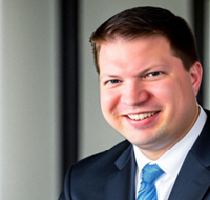
Title : Chiropractic Management of a Migraine With Aura in a 28-Year-Old Female Using a Multimodal Approach: A Case Report
Name : Dr. Adam McRoberts
University : Private chiropractic practice in Wisconsin
Country : USA
Download AbstractAbstract
Objective: The purpose of this report was to describe a chiropractic multimodal treatment approach for a patient with a migraine headache.
Clinical Features: A 28-year-old woman with a 14-year history of migraines presented with symptoms of visual disturbances with head and neck pain.
Intervention and Outcome: A multimodal approach of chiropractic care, including chiropractic manipulative therapy and soft tissue therapy for suboccipital, levator scapula, and trapezius muscles, was used. Treatment included 2 visits that were spaced 2 days apart. Based on patient-reported symptoms, the clinician observed clinical improvement and no additional migraine symptoms. Seven months after the initiation of chiropractic care, the patient reported no migraine episodes.
Conclusion: A nonpharmacologic chiropractic approach employing multiple therapies resulted in observable clinical progress for a patient who reported migraine with aura symptoms. (J Chiropr Med 2025;00;1-6)
Key Indexing Terms: Migraine; Chiropractic; Manipulation
Biography
Dr. Adam McRoberts is a chiropractic physician based in Wisconsin, USA. He earned his Doctor of Chiropractic degree from National University of Health Sciences (NUHS) in Illinois. In addition to his chiropractic training, Dr. McRoberts holds two master’s degrees in Sociology and Nutrition/Human Performance.
He is currently pursuing a PhD in Integrative and Functional Nutrition at Saybrook University in California. Dr. McRoberts’ academic and clinical interests focus on musculoskeletal care and the role of integrative approaches in managing complex health conditions. His research areas include epileptic seizures, migraines, and fibromyalgia.
Through his clinical practice and ongoing doctoral research, Dr. McRoberts is committed to advancing evidence-informed approaches that integrate chiropractic care with functional and nutritional strategies to improve patient outcomes.
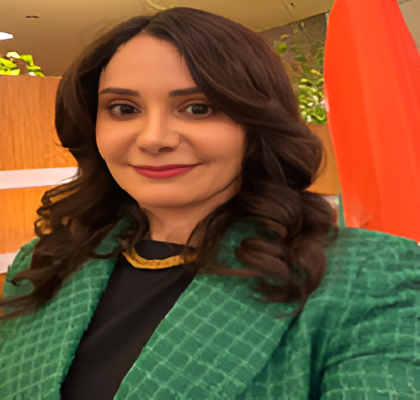
Title : Cytotoxic and Antiviral Properties of Canarium patentinervium Miq. Against H1N1 Influenza Virus: In Silico and In Vitro Insights
Name : Dr. Najwan Jubair
University : Al-Ameen University/ College of Pharmacy
Country : Iraq
Download AbstractAbstract
The seasonal flu virus can cause serious illness or death. Medical therapies and vaccinations have reduced influenza infections, yet they remain a public health hazard. Folk medicine uses Canarium patentinervium Miq, to cure respiratory problems and inflammation. Nevertheless, little is known about this plant’s antiviral properties. This study aims to test the antiviral activity of several extracts and isolated compounds from Canarium patent- inervium Miq. against the H1N1 virus in insilico and invitro models. The leaf and bark ethanol extracts exhibited the highest activity, with CC50 > 300 μg/mL, IC50= 30.2 μg/mL, and SI = 10. Catechin was isolated from the plant leaf and bark along with scopoletin, scoparone, hyperin, and cynaroside. All the isolated compounds were tested against H1N1 drug targets neuraminidase, hemagglutinin, and matrix protein 2 in insilico study. Catechin had the highest affinity (ΔG= − 10.4 Kcal/mol) and binding free energy (ΔGbind= − 92.6 ± 0.3 KJ/mol) for matrix protein 2. The in vitro investigation demonstrated that catechin had minimal toxicity and some effect on the H1N1 virus (CC50>300 μg/mL, IC50= 41.5 μg/mL, and SI = 7). Catechin and oseltamivir synergy was tested using virus yield reduction assays. Influenza decreased significantly by oseltamivir-catechin at 1 and 100 μg/mL dosages with strong synergy indicated through viral titer. For the first time, the antiviral activity of the Canarium patentinervium miq plant was reported in this study, and it suggests that using plant phytochemicals in combi- nation with oseltamivir may improve flu outcomes, especially for patients who are very sick or immunocompromised.
Biography
Dr. Najwan Jubair holds a PhD in Pharmaceutical Sciences from UCSI University, Malaysia, where she was awarded the Outstanding PhD Award (2023) in recognition of her research excellence and six peer-reviewed publications completed during her doctoral studies. She currently serves as the Head of Research at the College of Pharmacy, Al-Ameen University, Baghdad, Iraq.
Dr. Jubair’s research expertise lies in natural product chemistry, drug discovery, and organic synthesis, with a strong focus on the isolation, structural elucidation, and biological evaluation of bioactive compounds derived from medicinal plants. She is actively involved in a national collaborative project documenting Iraqi medicinal flora with therapeutic potential, in partnership with SAWA Pharmaceutical Manufacturer in Iraq. Her work aims to integrate traditional botanical knowledge with modern pharmaceutical research to support drug development and promote sustainable utilization of Iraq’s plant biodiversity.

Title : Integrative Medicine for Modern Health: Bridging Eastern Wisdom and Western Science for Longevity and Preventive Well-Being
Name : Dr. Cesar Daoud
University : Founder of Bioenergy
Country : Cyprus
Download AbstractAbstract
As chronic diseases and stress-related conditions rise globally, the need for a preventive, patient-centred approach to health has never been more urgent. Integrative Medicine offers an effective model—uniting the precision of Western science with the depth and balance of Eastern healing traditions. In this session, Dr Cesar Daoud explores how these complementary systems can work together to restore harmony, strengthen resilience, and support longevity. Drawing on more than two decades of clinical experience, he demonstrates how ancient diagnostic principles and modern evidence-based practices can merge to address the physical, emotional, and energetic dimensions of well-being. Participants will gain practical insights into how Integrative Medicine can be applied in daily life to reduce inflammation, balance hormones, and optimise vitality—helping individuals not only treat illness but prevent it. This talk invites a redefinition of modern health—one that empowers individuals to take charge of their wellness journey through awareness, balance, and sustainable vitality.
Biography
Dr. Cesar Daoud, Doctor of Acupuncture & Traditional Chinese Medicine, Integrative Medicine, and Health & Longevity Expert, is the founder of Bioenergy, established in 2008. With over 21 years of international experience, he has helped thousands—from children to heads of state—restore balance, manage chronic conditions, and cultivate vitality through a unique blend of Eastern and Western medicine. Dr. Daoud received his academic and clinical training in Lebanon, France, and China, and pursued advanced studies in the Netherlands and the UK. His multidisciplinary background includes Acupuncture, Traditional Chinese Medicine, Physical Therapy, Posturology, Osteopathy, Qigong, Biopuncture, and Vitamin Therapy. Now based in Cyprus, Dr. Daoud integrates ancient healing wisdom with modern science to promote energy, longevity, and a pain-free life. Dr. Daoud is renowned for his expertise in chronic pain, women’s health, emotional balance, and hormonal and nervous system optimization, as well as for his guidance in stress management and resilience. A passionate Health & Longevity Lecturer, he inspires audiences to embrace an integrative, preventive approach—bridging tradition and innovation for lasting well-being.
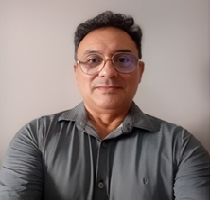
Title : Representations of Official and Alternative Healing Practices in Relation to the Morbidities of the Tenetehara Tembé
Name : José Augusto Carvalho de Araújo
University : State University of Pará, Belém
Country : Brazil
Download AbstractAbstract
Background: Indigenous health has long been marginalised within biomedical systems, despite the persistence of traditional practices that address both physical and spiritual well-being. Among the Tenetehara-Tembé people of the Alto Rio Guamá Indigenous Land (TIARG), located in northeastern Pará (Eastern Amazonia), traditional healing practices continue to play a central role in community resilience, particularly during times of crisis such as the COVID-19 pandemic.
Objectives: This lecture seeks to analyse how the Tenetehara-Tembé conceptualise and practice healing in relation to morbidity, with a particular focus on the interplay between official medical systems and alternative Indigenous practices. A decolonial perspective is adopted to highlight Indigenous epistemologies of prevention and care.
Methods: Ethnographic engagement was carried out in the Zawara Uhu village, with attention to the roles of community leaders, midwives, and shamans in health-related practices. The study draws on lived experiences and narratives shared by the Tembé during and beyond the COVID-19 pandemic, situating these within broader discussions on Indigenous health and environmental transformations.
Results: Findings underscore that pandemics, such as COVID-19, reflect the consequences of negligent modernity and its impacts on ecosystems. The Tembé’s practices illustrate a holistic understanding of health—encompassing body and soul—and reveal alternative frameworks for disease prevention and healing. These practices are not merely cultural survivals but constitute adaptive strategies of resilience and citizenship in the face of ongoing social and environmental challenges.
Conclusion: The Tembé’s healing practices highlight the critical importance of Indigenous knowledge in confronting morbidities that arise both from modern illnesses and from the ecological crises of the civilizing process. By integrating traditional and alternative approaches to care, the Tembé demonstrate pathways toward more inclusive and sustainable health systems.
Keywords: Disease; Tembé; Morbidity; Healing Practices
Biography
José Augusto Carvalho de Araújo holds a PhD in Sociology from the Federal University of São Carlos (UFSCar-SP), where he also completed his postdoctoral studies. He earned a Master’s degree in Sociology from the Federal University of Paraíba (UFPB), a specialization in Political Science from the Federal University of Pará (UFPA/IUPERJ), and a Bachelor’s degree in Social Sciences from the University of the Amazon. Since 1993, he has served as a professor at the State University of Pará (UEPa), where he is currently Adjunct Professor with Full-Time and Exclusive Dedication (TIDE) and a permanent faculty member of the Graduate Program (stricto sensu) in Environmental Sciences. With 32 years of experience in higher education, his research and teaching focus on Sociology and Anthropology, with an emphasis on health and the environment.
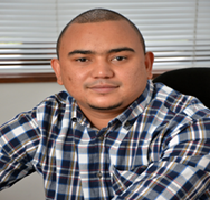
Title : Blood, Rituals and Power: Exploring the Beliefs and Use of Traditional African Medicine Within Gang Culture in the Free State Province, South Africa
Name : Ashwill Ramon Phillips
University : University of the Free State
Country : South Africa
Download AbstractAbstract
The Free State province in South Africa has become an epicenter for a novel form of violence wherein criminal youth gangs incorporate elements of African witchcraft and esoteric belief ideology into their gang practices. A vital component of these practices is the use of traditional African medicine or ‘muti’ which is comprised of plants, herbs and in extreme cases, human organs and blood, and is utilized to further coercive, ritualistic and violent purposes within gangs. Despite growing reports of muti-related rituals including organ harvesting, the consumption of human blood, and the use of paraphernalia believed to enhance invincibility, official crime statistics and empirical literature remain limited. Moreover, no studies in the region have been conducted directly exploring gang members’ perspectives and lived realities regarding how muti is conceptualized and used within the context of the gang. Grounded in subcultural and cultural transmission theory, this study draws on qualitative data to examine the symbolic, functional and ideological roles of muti in youth gangs in the Free State. Data were collected through semi-structured interviews with 23 active gang members, 16 non-gang-affiliated offenders and 18 criminal justice professionals, and analysed using reflexive thematic analysis. The findings revealed that muti is not merely a symbolic tool but is embedded in gang initiation rites, hierarchy, identity, ideology and violence. Gang members believed muti to be a means of acquiring supernatural protection and enhance spiritual power, instilling fear, and affirming loyalty to the gang. The manipulation of muti for criminal gain represents a distinct departure from conventional gang norms and signals a broader spiritualisation of gang identity in the province, while simultaneously perpetuating illegal organ harvesting and trade within the region. This study offers a unique contribution to gang scholarship by documenting how indigenous belief systems are appropriated and weaponised in youth criminal subcultures. Moreover, the study provides critical insights for the development of culturally informed intervention strategies, particularly in contexts where traditional spirituality intersects with organised violence.
Keywords: occult-gang, youth gang, typology, witchcraft, devil worship, ritual, muti , demon.
Biography
Dr Ashwill Ramon Phillips is a Lecturer in the Department of Criminology at the University of the Free State, South Africa. He holds a PhD in Criminology and specializes in youth deviance, gang subcultures, and criminogenic risk trajectories. His research focuses on the socio-cultural dynamics of youth gangs, including the intersection of gang identity with occult practices and symbolic violence. Dr Phillips has published and presented extensively on pathways to youth misconduct, resilience, and the formation of deviant identities. His work is rooted in qualitative and reflexive methodologies, and he is committed to advancing criminological knowledge that informs both theory and practice. Dr Phillips is also actively involved in curriculum development, postgraduate supervision, and community engagement initiatives with the Department of Correctional Services.